

How Long Does it Take to Get an EPC Certificate?
25/09/2025
An Energy Performance Certificate (EPC) is a legal requirement when selling or renting a property in the UK. It shows how energy-efficient the building is and offers recommendations for improvement. Understanding how long it takes to get an EPC certificate is essential for staying compliant and avoiding delays in selling, renting, or completing a new build project.
EPCs are required before a property is marketed for sale or rent. They are also mandatory for new builds before occupation. Without an EPC, estate agents cannot legally list a property, and developers may be delayed in receiving Building Control sign-off.
In rental scenarios, it’s important to note that tenants must be provided with a valid EPC before a tenancy agreement is signed. Letting a property without one can result in financial penalties and enforcement action from local authorities.
For existing properties, it is typically the homeowner or landlord who arranges the EPC. In the case of new builds, the developer or project manager will usually appoint a qualified SAP assessor to produce it.
Solicitors and estate agents may also recommend or arrange EPC assessments on behalf of clients. However, responsibility for ensuring a valid certificate is in place always lies with the property owner or landlord.
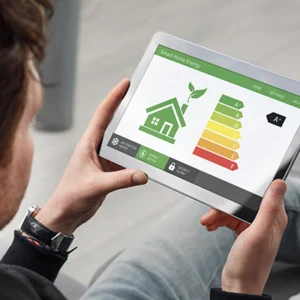
A standard EPC assessment for an existing home takes between 30 minutes and an hour, depending on the property size. The assessor collects data on insulation, heating, glazing, and construction materials. Once the data is collected, it is processed using approved software.
For new build properties, the EPC is based on the final SAP assessment and the as-built specifications. It takes longer because it depends on technical documents, air pressure test results, and exact material values. If all documents are ready, the EPC can be issued within three to five working days.
Most EPCs are delivered within 24 to 72 hours of the assessment visit. Fast-track services may be available, but they still depend on property access and assessor availability.
An EPC can be issued a few days after the final data is submitted. The speed depends on how complete and accurate the supporting documentation is. Working with the same team for both SAP and EPC helps avoid delays.
Several common issues can slow down the process:
Delays can also occur if changes are made to a build after the SAP assessment has been completed. In such cases, the energy model may need to be re-run, adding time and administrative work.

Delays in obtaining an EPC can impact property sales, letting arrangements, and project sign-offs. For sellers, the absence of an EPC can delay contract exchange. For landlords, it’s a legal risk not to have a valid EPC before a tenancy begins. Developers may be blocked from finalising a build without it.
Buyers and tenants are also more likely to engage with listings that have a published EPC rating. A good rating can be a strong selling point, while failure to provide a certificate might raise concerns about compliance and transparency.
How Much Does an EPC Certificate Cost?
The cost of an EPC varies depending on property type and location:
Costs may increase for larger or complex buildings. Prices usually include VAT, but it’s important to confirm this when booking. Shopping around is common, but always use an accredited assessor to avoid invalid certificates.
Once issued, an EPC is valid for 10 years. If significant changes are made to the property, like insulation upgrades or a new heating system, a new EPC can reflect the improved performance.
New builds that remain unoccupied for years can still rely on the original certificate unless structural changes have occurred. Estate agents may recommend commissioning a new EPC if the existing one is nearing expiry, especially if the property hasn’t been sold or let in the intervening period.
Some steps help reduce delays:
In some cases, next-day appointments can be arranged, but this often depends on location and local demand. Planning ahead remains the most reliable way to stay compliant.
How long does an EPC last?
Certificates are valid for 10 years. There is no legal need to renew during that period unless significant changes are made.
Can I sell my property without an EPC?
No. It must be in place before the property is marketed.
Can I get an EPC in one day?
Some assessors offer next-day services, but this depends on availability and access.
Do I need a new EPC if I renovate?
If the renovation improves energy efficiency, a new certificate is worth getting to reflect the better rating.
Getting an EPC certificate is usually straightforward, but it can be delayed by missing documents, limited assessor availability, or communication breakdowns. For new builds, staying on top of the SAP process is essential. For landlords and sellers, planning early helps avoid legal issues and transaction hold-ups.
Our team can guide you through the process and manage your EPC needs efficiently. To arrange a certificate or ask about timing, visit our Contact Us page. You can also view our SAP Assessments and EPC Certificates services.
Understanding EPC Certificates When Selling a Home If you’re planning to sell a property in the UK, one of the first things you’ll need to...
Understanding EPC Timelines in the UK An Energy Performance Certificate (EPC) is a legal requirement when selling or renting a property in the UK. It...