

Do You Need an EPC Certificate to Sell a House in the UK?
24/10/2025
If you’re planning to sell a property in the UK, one of the first things you’ll need to arrange is an Energy Performance Certificate, or EPC. This certificate outlines how energy efficient your home is, helping potential buyers understand running costs while ensuring that you meet your legal obligations before listing your property.
EPCs are a legal requirement for most homes put on the market. Sellers often choose to renew them before a sale if improvements have been made. We’ll explain why an EPC is needed, what the process involves, and how to ensure your property is fully compliant before selling.
When you sell a property, you must provide a valid EPC to potential buyers. This regulation has been in place since 2007 and helps make the property market more transparent. The EPC allows buyers to compare homes based on energy efficiency and likely running costs, which can strongly influence purchase decisions.
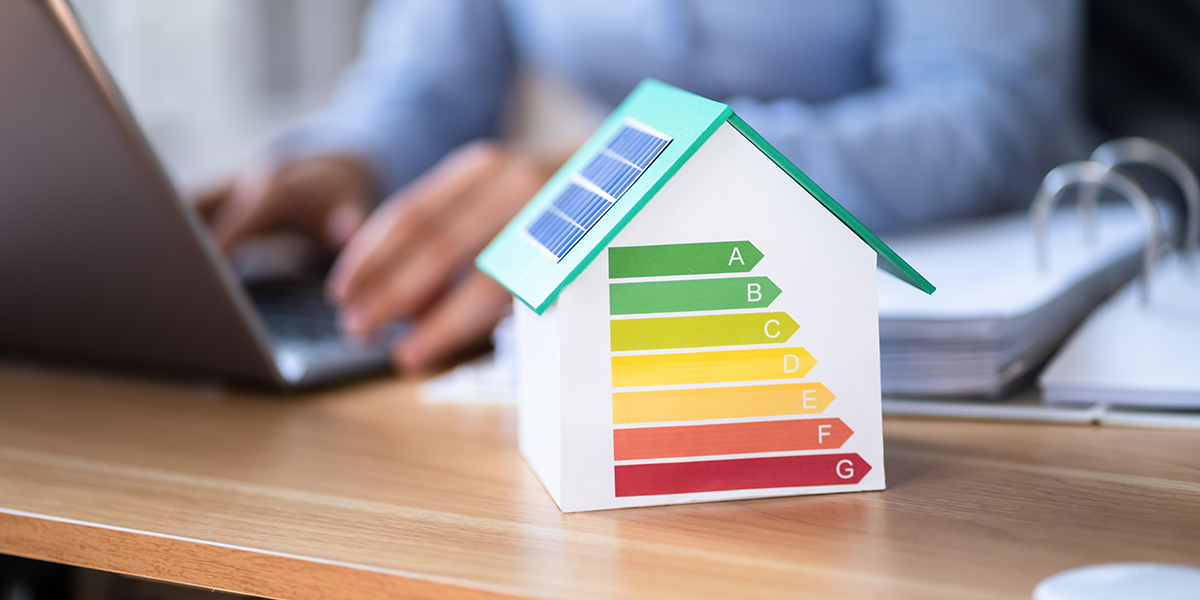
The certificate rates a property from A to G, with A being the most efficient. A higher rating often makes a home more attractive to environmentally conscious buyers and can even improve its market value. For sellers, it highlights where small upgrades could reduce energy consumption and improve comfort.

An EPC provides a detailed breakdown of your home’s energy performance. It analyses insulation, construction materials, heating systems, lighting, and glazing to calculate an overall score. The report also includes tailored recommendations for making the property more efficient, from simple fixes like LED bulbs to larger upgrades such as new insulation or heating systems.
The certificate remains valid for ten years from the issue date. If significant improvements have been made since the last assessment, it’s worth commissioning a new one. A recent certificate provides a more accurate picture of your home’s current performance, which can make a positive impression on buyers.
UK law requires every property being sold to have a valid EPC in place before it’s marketed. Estate agents must ensure one is available for potential buyers to view within seven days of listing, although a 21-day grace period is allowed to finalise it.
Failing to provide a certificate can result in penalties from Trading Standards, with fines reaching up to £5,000. More importantly, not having an EPC can delay your sale or create complications during the conveyancing process. To avoid any disruption, arrange your assessment early through a qualified provider such as SAP Assessment UK.
The seller is responsible for obtaining the EPC, though many estate agents include it as part of their service. If you’re selling privately, you’ll need to book directly with an accredited energy assessor. Most assessments are quick, taking around an hour to complete, and certificates are typically available within 48 hours.
You can confirm whether your home already has a valid certificate by visiting the government’s EPC register. By entering your address or report reference number, you can view the details and check the expiry date. If the document is close to ten years old, it’s best to renew it before listing your property. If you’re in the Manchester area, don’t hesitate and contact SAP Assessments UK now.
An EPC report outlines your home’s current energy rating, potential improvements, and estimated annual energy costs. It may also include predicted carbon emissions and savings if recommended changes are made.
For buyers, the report provides reassurance about energy costs and helps identify where future upgrades could save money. For sellers, it’s an opportunity to make small, cost-effective improvements that might enhance the property’s appeal. Adding better insulation, upgrading an old boiler, or sealing draughts can help raise your EPC score and attract more interest from prospective buyers.
To obtain an EPC, a qualified domestic energy assessor will visit your property and inspect several key elements, including wall and roof structure, insulation levels, heating systems, and window glazing. They’ll gather data and process it through government-approved software to calculate your property’s score.
Once complete, your certificate is uploaded to the national EPC register, and you’ll receive a digital copy for your records.
For newly constructed homes, the process begins with a SAP assessment. This calculates the predicted energy performance of the building before it’s completed. Once construction is finished, the information is used to produce the final EPC.

It’s best to arrange your EPC before marketing your home. Doing this early ensures you comply with regulations and have time to act on any recommendations before viewings begin. It also avoids unnecessary delays once a sale is agreed.
Booking your EPC at the start of the selling process shows buyers that your property is properly prepared, adding confidence and credibility to your listing.
Although the EPC rating doesn’t directly determine the sale price, it can influence buyer perception and overall marketability. Homes with higher ratings often attract more interest, particularly as energy costs continue to rise.
Before putting your home on the market, consider taking small steps to improve its rating. Simple actions like replacing halogen lights with LEDs, adding loft insulation, or installing modern heating controls can all make a noticeable difference. These upgrades also enhance the comfort of your home and may reduce long-term running costs.
Some properties are exempt from requiring an EPC. These include listed buildings where energy-saving alterations would compromise the structure’s character, temporary buildings used for less than two years, and standalone properties under 50 square metres. Buildings scheduled for demolition also fall under the exemption rules.
If you believe your property might qualify, seek advice from a qualified energy assessor before proceeding with the sale. They can confirm your exemption status and prevent any potential compliance issues.
The cost of obtaining an EPC depends on the property’s size, location, and complexity. On average, prices range between £60 and £120. Larger homes or those with non-standard layouts may cost slightly more, but the process remains straightforward and affordable for most sellers.
We provide transparent pricing and rapid turnaround times, helping homeowners stay compliant and avoid delays.
An EPC is more than just a box to tick when selling a home. It’s an essential legal requirement that promotes transparency and supports a smooth sales process. By arranging your certificate early, you not only comply with the law but also gain valuable insight into how your property performs.
If you’re ready to sell, our expert team can help you secure your EPC quickly and accurately. Visit our EPC Certificates page or SAP Assessments page to get started today.
Understanding EPC Certificates When Selling a Home If you’re planning to sell a property in the UK, one of the first things you’ll need to...
Understanding EPC Timelines in the UK An Energy Performance Certificate (EPC) is a legal requirement when selling or renting a property in the UK. It...